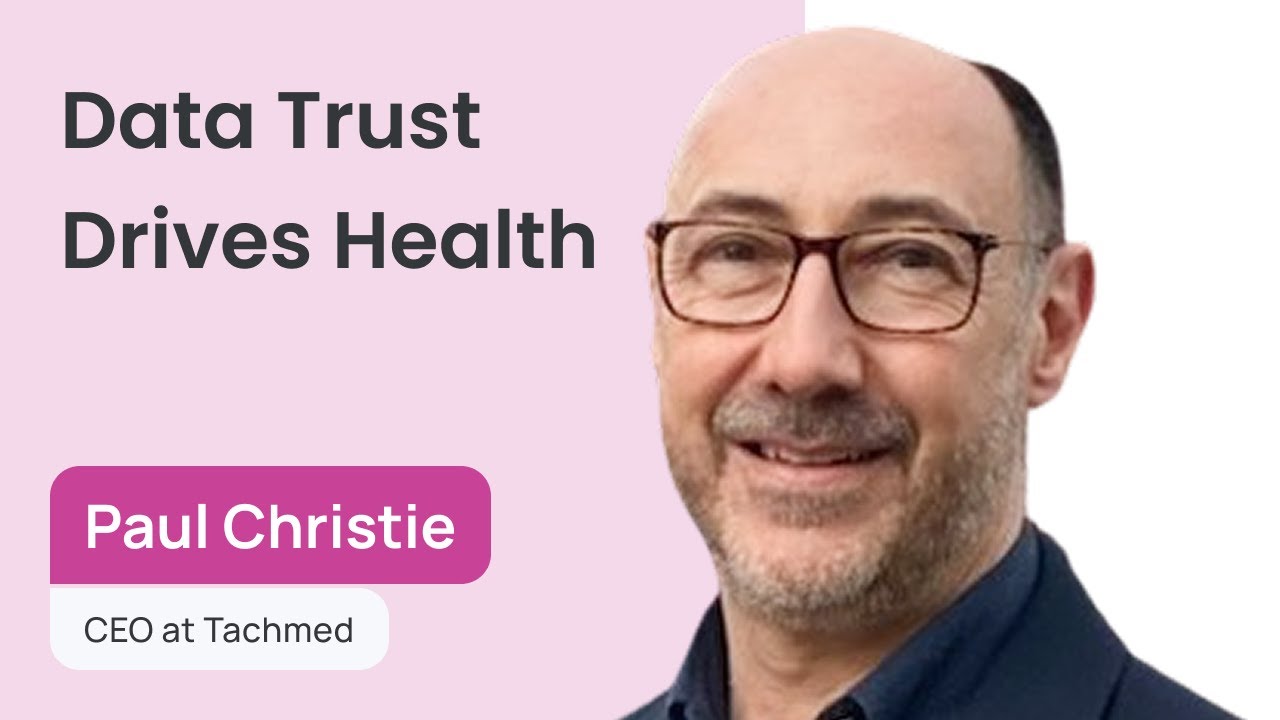
At Temy, we’re always seeking to spotlight visionary leaders who are redefining the future through technology—and this week’s guest is no exception. In our latest Bright Founders Talk, we sat down with Paul Christie, CEO of Tachmed, a company on a mission to make healthcare more accessible and affordable worldwide.
With a background spanning law, finance, and private equity, Paul brings a unique lens to healthcare innovation. His journey to founding Tachmed was driven by a desire to solve one of the industry's biggest challenges: access to timely, real-time health data. During the conversation, Paul shares how his team is building diagnostic solutions that empower both patients and providers.
He reflects on the lessons from his career—like the underrated power of listening—and how they shaped his leadership today. Most importantly, Paul emphasizes Tachmed’s patient-first approach, building trust through data and improving outcomes globally. Join us as we explore how this bold vision is becoming reality, one diagnostic breakthrough at a time.
From Wall Street to Virtual Wards: How Paul Christie Is Hacking Healthcare Access
Paul Christie didn’t exactly take the scenic route to healthcare—unless you count detours through law school ambitions, high-stakes banking, and hedge funds as scenic. Before founding Tachmed, he’d already built a reputation in the fast-paced world of capital markets. But something was missing. “I always wanted to run a company,” Paul shared, and it turns out, that company would take aim at one of the world’s biggest challenges: healthcare access. He saw the gaps—too few doctors, too little data, and way too many people left behind. And unlike many, he didn’t just talk about the problem—he started building solutions.
Tachmed’s mission was clear from day one: use real-time diagnostics to bring affordable, accessible care to everyone, everywhere. But the problem wasn’t just a lack of tech—it was the whole messy infrastructure between patient, provider, and payer. Paul’s lightbulb moment came while working in Africa, where he witnessed firsthand how broken systems leave entire populations without basic health services. In many places, getting blood drawn and tested is not just inconvenient—it’s almost impossible. That’s where Tachmed stepped in, creating smart, scalable diagnostics that generate reliable health data outside the walls of hospitals.
At the heart of it all, Paul insists, it’s not about the tools. It’s about the trust. “We’re building a system that patients can believe in—one where their data works for them,” he explains. By focusing on patient-owned data and designing systems that support better decision-making for clinicians, Tachmed is flipping the traditional healthcare script. No more top-down, one-size-fits-all solutions. This is health tech with empathy baked in—and Paul’s journey proves that the skills you gain on the trading floor can just as easily save lives as make profits.
We’re building a system that patients can believe in—one where their data works for them
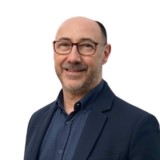
Paul ChristieCEO at Tachmed
“Not Just Tech for the Young”: Paul Christie on Breaking Healthcare Barriers, One App at a Time
Let’s get one thing straight: remote healthcare isn’t some watered-down version of seeing a doctor. That’s a myth Paul Christie is quick to bust. In fact, with the right technology, he argues, early diagnostics delivered remotely can be even more effective than waiting weeks for an in-person visit. He points to a stat from Spire Healthcare’s CEO that stuck with him—most people on NHS waitlists haven’t even had their first diagnosis yet. “They’re sick, they know they’re sick, but they’re just waiting,” Paul explains. And that wait isn’t harmless. It’s a ticking clock with real consequences. That’s where Tachmed’s mission becomes urgent: get people into the system faster, with actionable data in hand—even if it’s virtual.
So what does “making it work” look like in Paul’s world? Think iPhone-level ubiquity. Everyone testing, everyone tracking, everyone owning their health story through a simple dashboard. It’s not just about fancy charts—it’s about real insights that help you live better and act sooner. Paul envisions a world where AI-driven tools flag issues before they spiral, where people can tweak daily habits and avoid hospital visits altogether. It's tech meeting humanity in the most practical way: if you're sick, you get seen faster; if you're well, you stay that way longer.
But what about folks who don’t feel “tech-savvy”—especially older generations? Paul’s take is refreshingly optimistic. He’s seen 80-year-olds in Kenya using mobile banking before some Brits even knew what an app store was. The key isn’t age, he says, it’s access and trust. “You build trust by delivering tech through the channels people already know,” he explains. Sometimes that means a friendly face showing up at your door to walk you through the app, check your prescriptions, and answer your questions. It’s a people-first model that blends innovation with community—and Paul believes it’s the future of healthcare.
You build trust by delivering tech through the channels people already know
Paul ChristieCEO at Tachmed
“Healthcare Moves Like an Elephant”: Paul Christie on AI, Bureaucracy, and Who’s Really Leading the Charge
Paul doesn’t sugarcoat it—healthcare systems aren’t exactly sprinting toward innovation. In fact, he likens them to elephants: massive, slow-moving, and deeply rooted in decades-old models. “They're operating according to systems developed 50 years ago,” he says, pointing out how legacy institutions often resist change simply because they can afford to. But the real action? That’s happening in emerging markets. Without the weight of institutional baggage, countries in Africa, for example, are leapfrogging straight to mobile-first healthcare, much like they did with fintech. It’s not about having fewer resources—it’s about being unshackled by outdated norms.
They're operating according to systems developed 50 years ago
Paul ChristieCEO at Tachmed
Of course, no modern conversation about health tech skips over AI—and Paul’s take is both grounded and hopeful. He’s excited, sure, but not buying into the hype. “AI needs data,” he says plainly. That’s where Tachmed steps in, feeding those hungry algorithms with precise, frequent, and authenticated health data. Still, he cautions against expecting overnight miracles. Unlike the dot-com boom, where flashy ideas often lacked real utility, AI in healthcare is the real deal—but it’s going to take years, maybe even a generation, before we see the full impact. Quick fixes? Not here. This is a long game.
And then there’s regulation—the eternal dance partner of innovation. Paul doesn’t see it as a battle, but he does think some regions handle it better than others. The EU, he argues, gets bogged down in policy over-prioritization, slowing the pace of progress. The U.S. FDA? “Not perfect,” he admits, “but pragmatic and highly professional.” As for the UK, it’s still finding its footing, caught between safeguarding citizens and staying competitive in a fast-evolving tech landscape. For companies like Tachmed, that regulatory balancing act can be exhausting—but also essential. Because in the end, as Paul sees it, trust is the foundation innovation needs to stand on.
“Build It Like a House”: Paul Christie on Risk, Trust, and What Startups Get Wrong
When it comes to launching a startup, Paul Christie doesn’t mince words: the UK has potential, but it’s still playing catch-up with the U.S. The real difference? Mindset. “In the U.S., investors expect 99 out of 100 startups to fail,” Paul says, “but here, they expect 99 to succeed.” That kind of pressure stifles risk-taking and, ultimately, innovation. In contrast, the American entrepreneurial ecosystem thrives on bold ideas and massive swings. That’s why so many British founders hop across the pond, prove their value, then come back to be taken seriously. Until the culture shifts, Paul believes the UK will keep falling just a bit short of its true startup potential.
Back at Tachmed, Paul has his hands full balancing the expectations of patients, clinicians, and partners—but instead of seeing friction, he sees community. “They’re all part of the same value chain,” he says. Each group feeds into Tachmed’s ecosystem, bringing unique perspectives that, when aligned, create better services, smarter data, and more trust. And trust, for Paul, is non-negotiable. It’s what turns stakeholders into collaborators, and collaborators into customers. By anchoring everyone around a shared goal—better, more accessible health—Tachmed isn’t just building a platform. It’s building a movement.
So what’s his advice for the next Paul out there, staring down a blank pitch deck? Start with the plumbing. “You wouldn’t build a house without a solid foundation,” he says. Good legal advice, solid financials, and a team you can trust—those aren’t luxuries; they’re your first steps. He’s candid about the fundraising rollercoaster, too: raise more than you think you’ll need, plan for shocks, and give yourself room to make mistakes without everything crashing down. And if you want to keep your stress levels low and your hair intact? Learn from his journey, not just his success.
You wouldn’t build a house without a solid foundation